
Protect Your Chimney From Water Damage
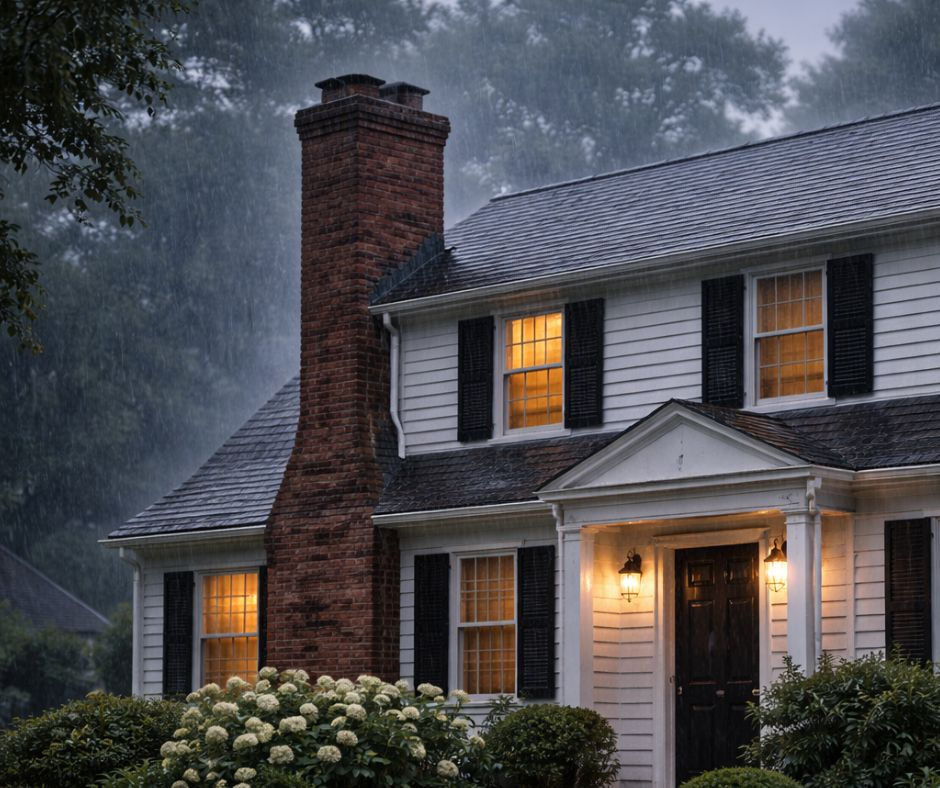
When most homeowners think about chimney damage, fire comes to mind. While a fire can cause devastating damage, there’s another culprit that quietly deteriorates chimneys before homeowners realize there is a problem: water.
At Admiralty Chimney, we’ve seen how quickly moisture can compromise a chimney’s structural integrity. For this reason, it’s important to know the common signs of water damage and how to prevent it.
But first, let’s discuss WHY chimneys are so susceptible to water damage.
Chimneys are built with porous materials--like brick, mortar, and concrete--that absorb water. During the winter months, absorbed water goes through repeated freeze-thaw cycles. Over time, it causes bricks to crack, mortar to crumble, and chimney liners to deteriorate .
Signs Your Chimney Has Water Damage
Water damage doesn’t always show up immediately, so be on the lookout for these common signs:
Cracked or missing mortar joints
Spalling bricks (flaking or popping surfaces)
White staining (efflorescence) on the chimney exterior
Rust on the damper or firebox
Water stains on ceilings and walls
Musty odors coming from the fireplace
Leaning or tilting chimney structure
If you notice any of these signs, contact our chimney experts so we can take action before the problem worsens.
How Water Gets Into Your Chimney
Several factors allow water to enter your chimney system:
Lack of a waterproofing sealant causes bricks to absorb water like a sponge.
Condensation buildup occurs when a system is improperly vented.
A damaged or missing chimney cap leaves the flue open to rain and snow.
A Cracked crown or chimney top allows water to seep inside the chimney.
Deteriorated mortar joints create pathways for moisture.
Improperly sealed or installed flashing allows water to seep in.
Often, it’s not just one issue--but a combination of issues--that leads to significant chimney damage.
Long-Term Effects of Ignoring Water Damage
Water damage gets worse over time, leading to:
Structural instability of the chimney
Interior home damage, including ceilings and walls
Mold and mildew growth
Reduced heating efficiency
Expensive rebuilds or full chimney replacement
Unfortunately, what starts as a small chimney crack can quickly become a major repair project.
How to Protect Your Chimney From Water Damage
Although water can cause devastating damage to your chimney, you can take measures to prevent it by:
1. Installing a chimney cap
A chimney cap helps keep rain, snow, debris, and small critters out of your flue.
2. Applying a waterproof sealant
Professional-grade waterproofing allows masonry to “breathe” while repelling water.
3. Repairing or replacing the chimney crown
The crown is your chimney’s first line of defense. Keeping it sealed and crack-free is essential.
4. Maintaining the chimney flashing
Ensure the metal flashing around your chimney base is tight and properly sealed to prevent roof leaks.
5. Scheduling an annual inspection
Routine chimney inspections catch small issues before they become expensive problems.
What to do if You Already Have Water Damage on Your Chimney:
If your chimney is already showing signs of water damage, contact us as soon as possible to schedule any needed repairs.
Repair solutions vary according to the type of damage and may include:
Tuckpointing (repairing mortar joints)
Crown repair or rebuild
Chimney cap installation
Waterproofing treatment
Flashing repair
Partial or full rebuild in severe cases
Note: Summer is the best time to address chimney masonry repairs in New Hampshire, because the warmer, drier conditions allow the mortar and/or sealant to cure properly.
Chimney Water Proofing & Water Damage Repair in Southern NH & Northern MA
Water may be the most common cause of chimney damage, but it’s also the most preventable. Contact us today to discuss our chimney waterproofing and water damage repair services.


Comments